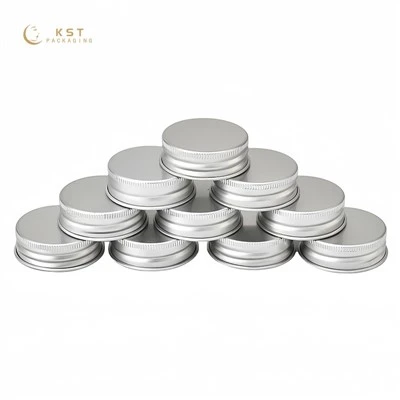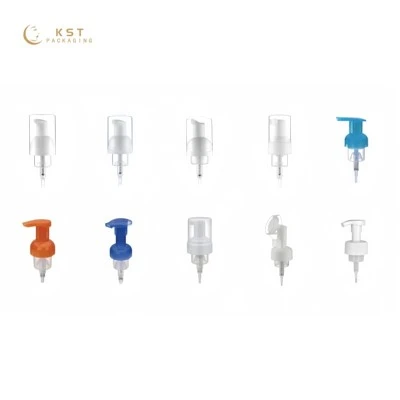


Plastic bottle packaging can be categorized based on three primary dimensions-material, intended use, and structural function-encompassing the vast majority of types found on the market today:
By Core Material
This is the most fundamental classification method. The triangular recycling codes (numbered 1–7) found on the bottom of bottles indicate the specific material, each suited to particular applications:
PET: Highly transparent and lightweight, with a temperature resistance limit of 70°C. It is the standard choice for mineral water, carbonated soft drinks, and fruit juices, making it the most widely used type of plastic bottle.
HDPE (No. 2): Opaque and milky-white, offering high impact resistance and excellent light-blocking properties. It is commonly used for pharmaceutical containers, disinfectant bottles, and large-capacity powder packaging, as it is resistant to compression and leakage.
PP (No. 5): Withstands high temperatures up to 130°C and is microwave-safe. It is frequently used for hot-filled tea beverages, soy milk, and heat-resistant food storage containers.
Other Materials: Includes PVC (No. 3), LDPE (No. 4), PS (No. 6), and PC (No. 7), which are tailored for specialized needs such as chemical resistance, squeezable dispensing, single-use food service, or large-volume liquid storage.
By Intended Use
Bottles can also be categorized based on the specific nature of their contents:
Food & Beverage: Includes containers for drinking water, carbonated drinks, jams, honey, and nuts; all must meet food-contact safety standards.
Pharmaceutical & Healthcare: Includes bottles for tablets, capsules, eye drops, and health supplements; these must comply with strict cleanliness and regulatory standards for pharmaceutical packaging.
Daily Chemicals & Industrial Chemicals: Includes spray bottles for disinfectants or degreasers, laundry detergent containers, and corrosion-resistant bottles for chemical reagents; these prioritize leak-proof sealing and chemical stability.