

The core characteristics of plastic bottle packaging can be summarized across several dimensions, including material composition, performance, usage, and environmental impact:
Material and Safety Characteristics
Primary Raw Materials: Manufactured primarily from synthetic resins such as PET, HDPE, and PP. These materials meet safety standards for food contact and, in many cases, comply with regulations set by the FDA and the *Pharmacopoeia of the People's Republic of China*.
Chemical Stability: Resistant to weak acids, weak bases, and most organic solvents. These materials are chemically inert toward their contents, making them suitable for products with a pH range of 2–9.
Hygienic Properties: The smooth surfaces of the bottles inhibit microbial growth and are easy to clean and sanitize, meeting the stringent hygiene requirements for food, pharmaceuticals, and similar applications.
Physical and Protective Performance
Lightweight and Impact-Resistant: Significantly lighter than glass bottles of equivalent volume. They can typically withstand a free fall from a height of 1.2 meters without breaking, greatly reducing the rate of damage during transport.
Barrier Properties: PET, for instance, offers an oxygen transmission rate of ≤50 cm³/(m²·24h·0.1 MPa) and a water vapor transmission rate of ≤0.5 g·mm/(m²·24h), effectively delaying oxidation and moisture-induced spoilage of the contents.
Optical Versatility: PET can achieve a light transmission rate of over 90%. Through the use of specialized colorants or additives, the material can also provide UV protection, balancing the need for product visibility with the requirements of light-sensitive contents.
Production and Usage Characteristics
Flexible Molding: Utilizing processes such as injection-stretch blow molding or extrusion blow molding, bottles can be customized in capacities ranging from 15 ml to 10 L. Structural optimizations-such as rounded corners, concave bases, or anti-slip textures-can be incorporated into the design.
Cost-Effectiveness: Production costs are typically only one-third to one-half those of glass bottles. Their lightweight nature also reduces energy consumption during logistics, making them ideal for large-scale mass production.
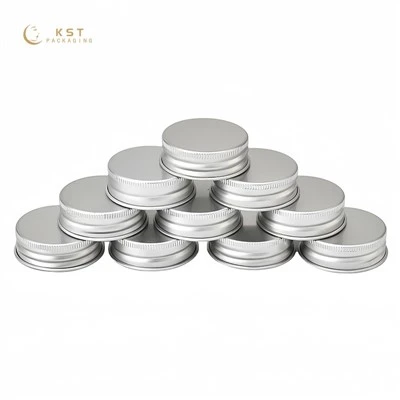
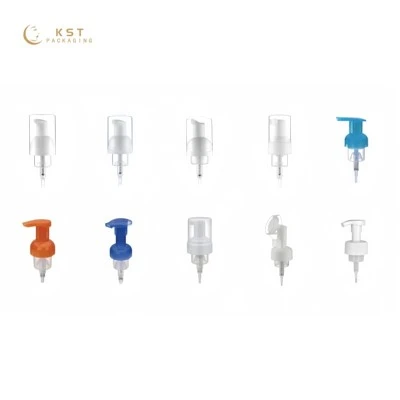
Functional Design: These bottles can be paired with various accessories-such as tamper-evident caps, lotion pumps, or spray nozzles-to accommodate diverse usage scenarios, including squeezable dispensing, child-resistant closures, and vacuum-sealed isolation.