

The core advantages of plastic bottle packaging can be categorized into six key dimensions, spanning the entire lifecycle-from production and distribution to end-use and environmental impact:
Lightweight and Durable: Reducing Costs and Increasing Efficiency
Weighing only 1/5 to 1/3 as much as glass bottles of the same capacity, they significantly lower energy consumption and logistics costs during transport.
High impact resistance ensures they rarely break when dropped under normal conditions, resulting in a much lower breakage rate during logistics compared to glass or metal containers.
Excellent stackability improves warehouse space utilization by over 30%, further driving down storage costs.
Economical Mass Production and High Adaptability
Low raw material and molding costs-with total packaging expenses only 1/3 to 1/2 those of glass bottles-make them ideal for large-scale production.
Injection-stretch-blow molding processes offer high efficiency; standard equipment can produce tens of thousands of units per hour, enabling rapid fulfillment of orders during peak seasons.
High material efficiency: for instance, the weight of a standard 1.5L purified water bottle has been reduced from 42g to 22.5g, reflecting continuous optimization in material consumption.
Secure Sealing and Quality Protection
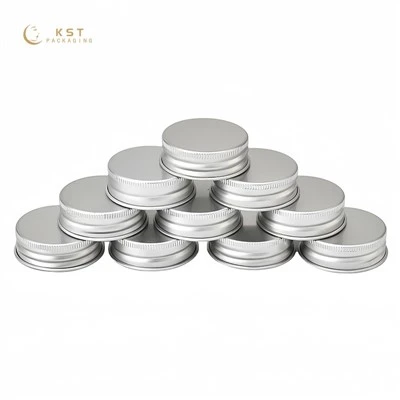
Precision-engineered threads on the bottle neck, combined with a cap and an aluminum foil liner, create a complete seal that effectively blocks the ingress of air and moisture.
Commonly used PET material has an oxygen transmission rate of ≤50 cm³/(m²·24h·0.1 MPa), which helps delay oxidation and spoilage, thereby extending the shelf life of the contents.
Excellent chemical stability-resistant to weak acids, weak bases, and most organic solvents-ensures the material does not react with food, pharmaceuticals, or personal care products.