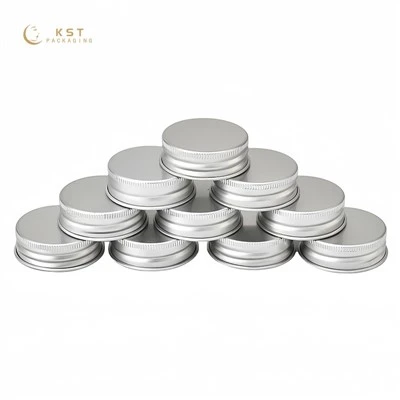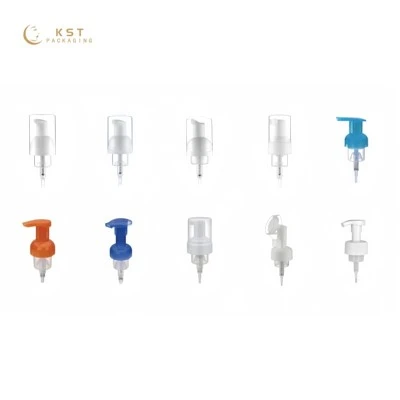


There is no absolute answer as to whether a lid or a seal is "more critical." They function as a complementary, inseparable whole, and their relative importance depends entirely on the core requirements of the specific use case.
Scenarios Where the Seal Is More Critical
When the primary requirements are absolute hermetic sealing, regulatory compliance, and long-term stability of the contents, the seal takes precedence over the lid:
Sterile Pharmaceutical/Food Packaging: In medicine bottles, an aluminum foil seal-bonded via molecular-level thermal fusion-provides a complete barrier against moisture, oxygen, and external contaminants. This is a mandatory safety requirement (e.g., per FDA standards); if the foil seal is compromised, the product may spoil or become unsafe, even if the outer lid remains intact.
Flexible/Industrial Precision Packaging: For items like plastic-sealed beverage cups or hermetically sealed integrated circuits, the seal determines the fundamental integrity of the package. Without a proper seal, any subsequent protection offered by a lid is effectively moot.
Tamper-Evidence and Traceability: Security seals on food delivery packaging or one-time-use anti-counterfeit seals-which cannot be restored once opened-serve as the primary proof that a package has not been tampered with. A lid's opening-and-closing mechanism cannot replicate this function.
Scenarios Where the Lid Is More Critical
When the primary requirements are physical protection, repeated use, or functional utility, the lid plays an indispensable role:
High-Pressure/High-Risk Equipment:Components such as pressure-regulating caps on boilers or protective covers on explosion-proof electrical sockets are essential for safety-managing pressure relief or providing physical isolation. If such a lid fails, it can lead to severe accidents, such as high-pressure steam leaks or explosions, regardless of the condition of any underlying seal.
Scenarios Involving Repeated Access: For items like glass food containers with locking lids or the lids on beverage cups, the lid becomes the sole means of preventing leaks or dust contamination once the initial seal (such as a plastic film) has been removed. Without the lid, the product could neither be consumed conveniently nor transported safely. Physical protection scenarios: Examples include protective covers for automotive headlights or iron enclosures for outdoor electrical boxes. Their primary function is to block flying debris, rainwater, and unauthorized physical contact, safeguarding internal components from damage caused by external forces-a level of protection that simple sealing cannot provide.