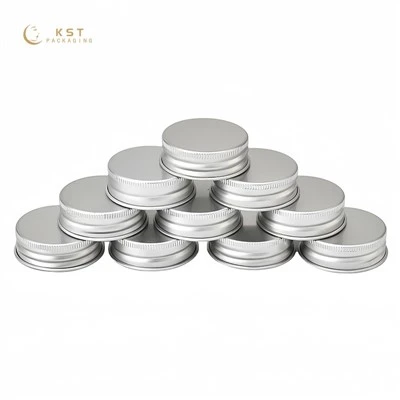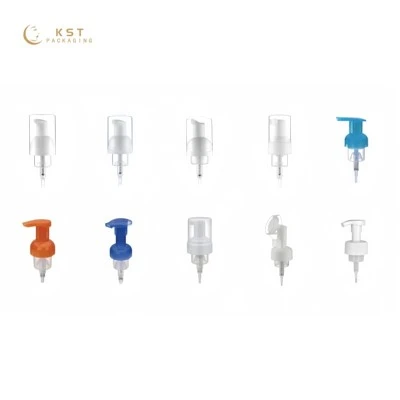


The core structural characteristics of lids and closures lie in their precise fit and sealing design. They not only close the opening of a container but also provide multiple functions, such as leak prevention, tamper-evidence, and ease of opening. Structural designs vary depending on the specific application.
Core Structural Characteristics of Lids
Basic Fit Structure: Common screw caps consist of threads, a sealing ring, and a side-sealing skirt. When tightened, the container opening is secured between the sealing ring and the side-sealing skirt; the sealing ring extends into the container opening to expand the sealing area, while the side-sealing skirt fits snugly against the outer edge, creating a dual-sealing effect.
Tamper-Evidence and Anti-Slip Design: Plastic caps feature a tamper-evident ring at the base, connected by breakable ribs. The inner wall contains evenly spaced, angled locking tabs, while the outer edge features vertical anti-slip grooves. These elements enhance the security of the closure and allow users to determine whether the container has been opened by checking if the tamper-evident ring has detached.
Multi-Piece vs. One-Piece Structures: Multi-piece lids consist of a main cap body and separate connectors (such as screws or clips) that allow for complete disassembly-ideal for containers that require frequent opening or maintenance. One-piece lids are permanently bonded to the container via welding or injection molding, offering superior sealing and stability, often used for high-pressure vessels or other specialized applications.
Specialized Material Structures: Metal (tinplate) lids often utilize a multi-part design-a main cap combined with a smaller insert-with a sealing compound cast inside. Leveraging the high strength of stamped metal, they provide effective protection against water ingress, tampering, and leakage. Paper-based lids are typically formed as a seamless, integrated unit, featuring embossed patterns of varying densities on the inner and outer layers to balance eco-friendliness with basic sealing performance.
Core Structural Characteristics of Closures
Closures for Bottles and Jars: These involve a pre-formed sealing component (a lid) that fits precisely onto the container opening. The sealing process is carried out using specialized machinery, employing methods such as screw-threading or snap-fitting. In some cases, an aluminum foil induction seal is also applied to ensure an aseptic, airtight closure. Flexible Packaging Sealing: Taking food packaging bags as an example, this method utilizes a heat-seal layer that bonds through direct thermal melting. Depending on specific requirements, various edge-sealing configurations-such as three-side, five-side, or eight-side seals-can be designed. By precisely adjusting heat-sealing temperature and pressure parameters, a tight, airtight seal is achieved, while also ensuring resistance to puncture.
Paperboard Carton Sealing: This approach requires no additional sealing agents; instead, the carton is secured through the interlocking of its own structural elements, such as flaps, locking tabs, or tuck-in tabs. Common designs-including tuck-in, locking, and adhesive-bonded styles-are tailored to different needs, such as facilitating repeated opening, ensuring a robust seal, or supporting high-speed automated packaging.