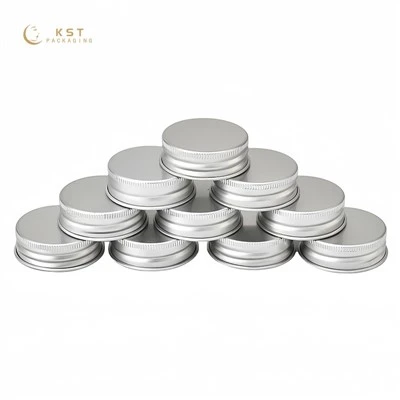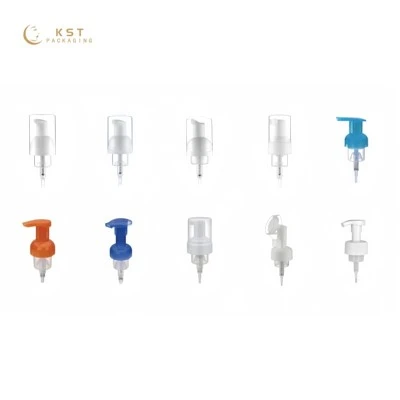


The structural design of plastic bottle packaging focuses on sealing reliability, mechanical strength, production compatibility, and user experience, with each component serving a specific functional purpose.
Bottle Mouth and Sealing Structure
Thread Design: Threads on blow-molded bottle mouths typically feature a trapezoidal or semi-circular cross-section. In some cases, the threads are designed with intermittent gaps to facilitate the removal of flash (excess material) along the mold parting line and to ensure compatibility with high-speed capping machinery.
Sealing Interface:The bottle mouth and cap are joined via threads, sealing rings, and side-sealing flanges. When tightened, the bottle mouth is secured between the sealing ring and the side-sealing flange, creating a complete, airtight seal.
Tamper-Evident and Anti-Counterfeit Features:The base of the cap's skirt includes a line of weakness (perforation). When the cap is twisted, the locking ring breaks along the ratchet-like tabs, providing a clear visual indication that the package has been opened.
Dual-Cap Structure:Premium packaging often employs a dual-cap design-an inner cap combined with an outer cap. The inner cap provides a rigid sealing foundation, while the outer cap applies uniform pressure, significantly enhancing moisture resistance and airtightness.
Bottle Neck and Shoulder Structure
Strength Optimization:The shoulder of the bottle is typically designed with an incline angle greater than 15°, with a wall thickness of at least 1mm. This prevents the bottle from collapsing or the shoulder area from cracking under vertical loads.
Stress Distribution: The shoulder is constructed as a frustum (a truncated cone) formed by tangential arcs. This geometry ensures that vertical pressure applied to the bottle mouth is evenly distributed across the bottle body, thereby increasing the overall compressive strength.