

Designing plastic bottle packaging is a comprehensive process-spanning requirement definition, structural and functional design, material selection, aesthetic finishing, and final validation-that must balance practicality, regulatory compliance, and brand recognition.
Initial Requirements and Positioning
Define Core Usage: Identify the properties of the contents. For instance, food and beverage packaging must meet food-grade standards; personal care products may require resistance to acids or alkalis; and pharmaceutical packaging must ensure light protection and sterility. Performance requirements vary significantly depending on the application.
Establish Basic Parameters: Determine the capacity (e.g., 500ml, 1L) and the neck diameter (a 28mm standard is common for beverage bottles). Ensure compatibility with filling equipment specifications to prevent issues like jams or bottles tipping over during production.
Conduct Market Research: Analyze the design features of competing products to identify opportunities for visual or functional differentiation. Align the design with the overall brand identity and establish a clear stylistic direction.
Structural and Functional Design
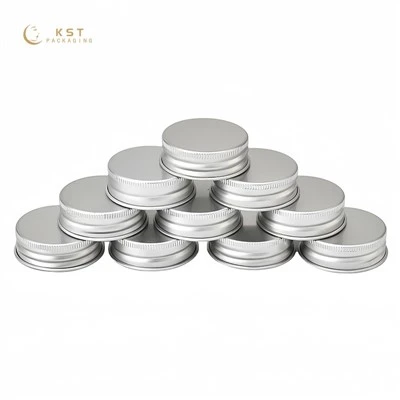
Neck and Sealing Design: Utilize threads with a trapezoidal or semi-circular cross-section, combined with sealing rings or side-sealing flanges, to ensure a complete, airtight seal. Incorporate a tamper-evident band (break-away line) on the cap skirt, which provides a clear visual indication if the bottle has been opened.
Mechanical Optimization of the Bottle Body: Ensure the shoulder slope is at least 15° and the wall thickness is no less than 1mm to prevent collapse or cracking under vertical loads. Integrate rigid ribs or circular grooves into the bottle body to enhance dent resistance, while reserving a flat area for labeling.
Base Stability: For beverage bottles, use a "petaloid" (flower-shaped) concave base to distribute pressure. For large-capacity bottles, employ a flat base with rounded corners to improve resistance to internal pressure and prevent the base from bulging or deforming when stacked.
Ergonomic Optimization: Design the bottle body with curves that fit the palm, complemented by anti-slip textures, to ensure a comfortable, secure one-handed grip and enhance the overall user experience.