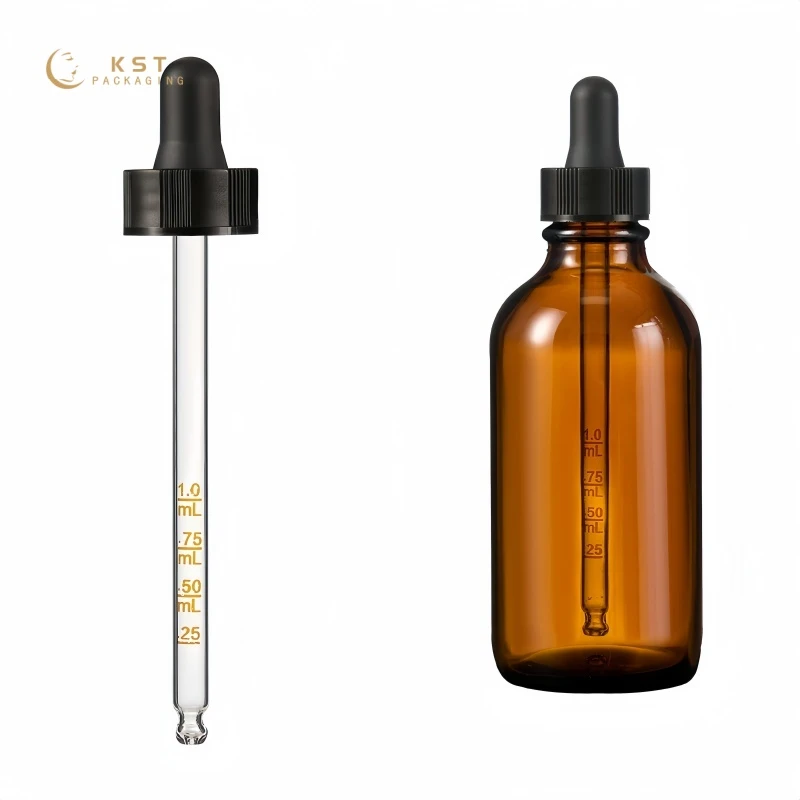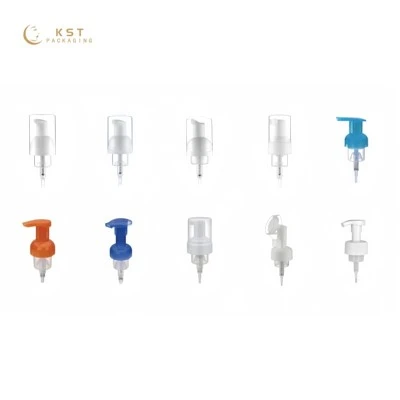


Selecting the appropriate lid or closure begins with defining the characteristics of the contents, the intended usage environment, and regulatory compliance requirements. From there, you can precisely match the solution based on key dimensions-material, size, and sealing structure-to prevent issues such as leakage, contamination, or safety hazards.
Step 1: Define the Core Selection Criteria
Product Characteristics: Consider whether the contents are liquid, paste, or solid; whether they contain corrosive substances (such as acids, bases, or alcohol); and whether they require protection from light, oxygen exposure, or specific dispensing control. These factors dictate the choice of material and the required sealing grade. For instance, highly corrosive chemical liquids cannot be stored in standard PE containers; instead, they require materials like 316L stainless steel or seals made of fluororubber.
Usage Environment: Determine the conditions-such as room-temperature household use, high-temperature cooking, high-pressure environments, or scenarios requiring frequent opening and leak-proof portability. For example, containers intended for microwave heating should feature vented lids to allow steam to escape, preventing pressure buildup that could deform the container.
Compliance and Safety Standards: For food or pharmaceutical applications, you must verify that the supplier holds the necessary production certifications for food-contact materials and complies with relevant standards, such as FDA regulations or the EU's 10/2011 directive. In environments involving flammable or explosive materials, components must meet ATEX explosion-proof certification requirements.
Step 2: Match Based on Key Selection Dimensions
Material Compatibility
Standard, room-temperature, and atmospheric-pressure environments: Use PE or PP. These materials are cost-effective, resistant to acids and bases, and suitable for most conventional containers, including those for food and personal care products.
Chemical or marine (corrosive) environments: Use 304 or 316L stainless steel. These materials support pressure ranges from 0.6 to 10 MPa and comply with the GB/T 1220-2017 standard.
High-temperature environments (>200°C): Use alloy steel or incorporate thermal insulation layers to prevent material deformation or failure caused by excessive heat. Dimensional Accuracy Control
The inner diameter of the sealing cap should be 1–2 mm larger than the outer diameter of the container. For large-diameter containers (DN ≥ 500 mm), the tolerance should be kept within ±3 mm to prevent difficulties during an interference fit or leakage due to excessive gaps.
The cap opening size should align with the physical state of the contents: smaller openings are suitable for free-flowing liquids, as a shorter sealing path provides greater stability; larger openings are better for thick pastes or granular products, facilitating scooping or extraction.
Selection of Sealing Structure
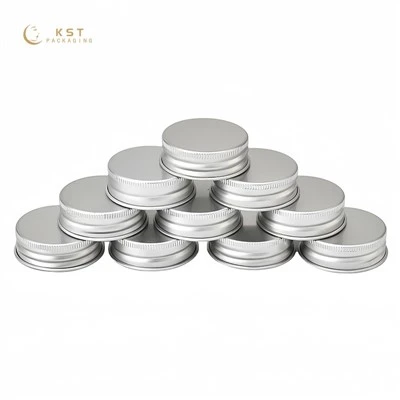
For general applications requiring repeated opening and closing: use a screw cap with a silicone liner, which fills gaps through mechanical compression.